

Our Top 5 Films from the 1970s
Five Films That Shaped the Cinematic Imagination of the 1970s
The 1970s remain a defining decade in the history of cinema—a period of aesthetic boldness, political urgency, and industrial upheaval. As the studio system declined and a new generation of auteur filmmakers emerged, the American screen became a space for unprecedented innovation and introspection. Directors were given freedom to explore the complexities of psychology, history, and society, and audiences were confronted with films that challenged conventions and redefined the boundaries of narrative and style.
The five films selected here—The Godfather (and its sequel Part II), Taxi Driver, Apocalypse Now, Barry Lyndon, and Jaws—are more than just landmarks of 1970s cinema. They are works that helped to reshape global film culture, combining artistry and ambition with a profound sensitivity to the historical moment. From the operatic tragedy of the Corleones to the existential drift of Travis Bickle; from the surreal horrors of Vietnam to the ironic detachment of 18th-century aristocracy; from the primal terror beneath the waves to the formal innovations behind the camera—these films exemplify how the cinema of the 1970s blended myth and realism, control and chaos.
Each of these works has not only endured but evolved in critical standing over time. They continue to provoke debate, inspire filmmakers, and deepen our understanding of what cinema can be. To study them is to examine the ways film responds to—and shapes—the world around it. What follows is a reflection on why these five films matter, how they were received, and what they reveal about the power and potential of cinematic storytelling.
-
-
The Godfather (1972) / The Godfather Part II (1974)
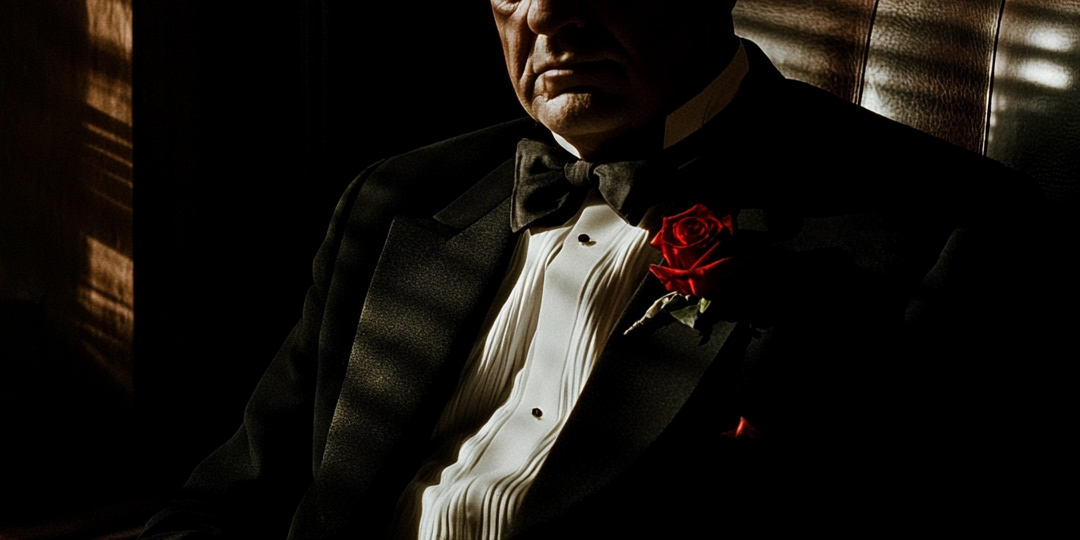
Francis Ford Coppola’s The Godfather and Part II are arguably the most influential American films of the 20th century, emblematic of what is now termed the “New Hollywood” era. Adapted from Mario Puzo’s novel, these films transformed the gangster genre into an operatic meditation on power, family, and morality. At their core, they function as parables about American capitalism and identity, with the Corleone family’s moral degradation paralleling the myth of the American dream. Their critical and commercial success helped redefine what was possible for ambitious, adult-themed storytelling within a studio system.
At the time, The Godfather was seen as a cultural phenomenon—shattering box office records and elevating the status of the gangster genre from pulp to prestige. Critics hailed it as both epic and intimate, Shakespearean and uniquely American. Part II expanded the scope, inventing the modern sequel-as-prequel and earning the rare distinction of being a sequel that surpassed its predecessor in critical appraisal. Today, both films are canonised within academic and popular discourse, continuously studied for their interwoven narrative structures, use of chiaroscuro lighting, and themes of inheritance and decline.
Coppola’s direction, paired with Gordon Willis’ moody, painterly cinematography, established a new visual language for crime drama. Nino Rota’s score and the meticulous production design contributed to an immersive sense of time and place, while performances by Marlon Brando, Al Pacino, and Robert De Niro (in Part II) became benchmarks in screen acting. These films didn’t just reflect a shift in American cinema—they catalysed it, ushering in a wave of auteur-driven, morally complex filmmaking.
-
-
Taxi Driver (1976)
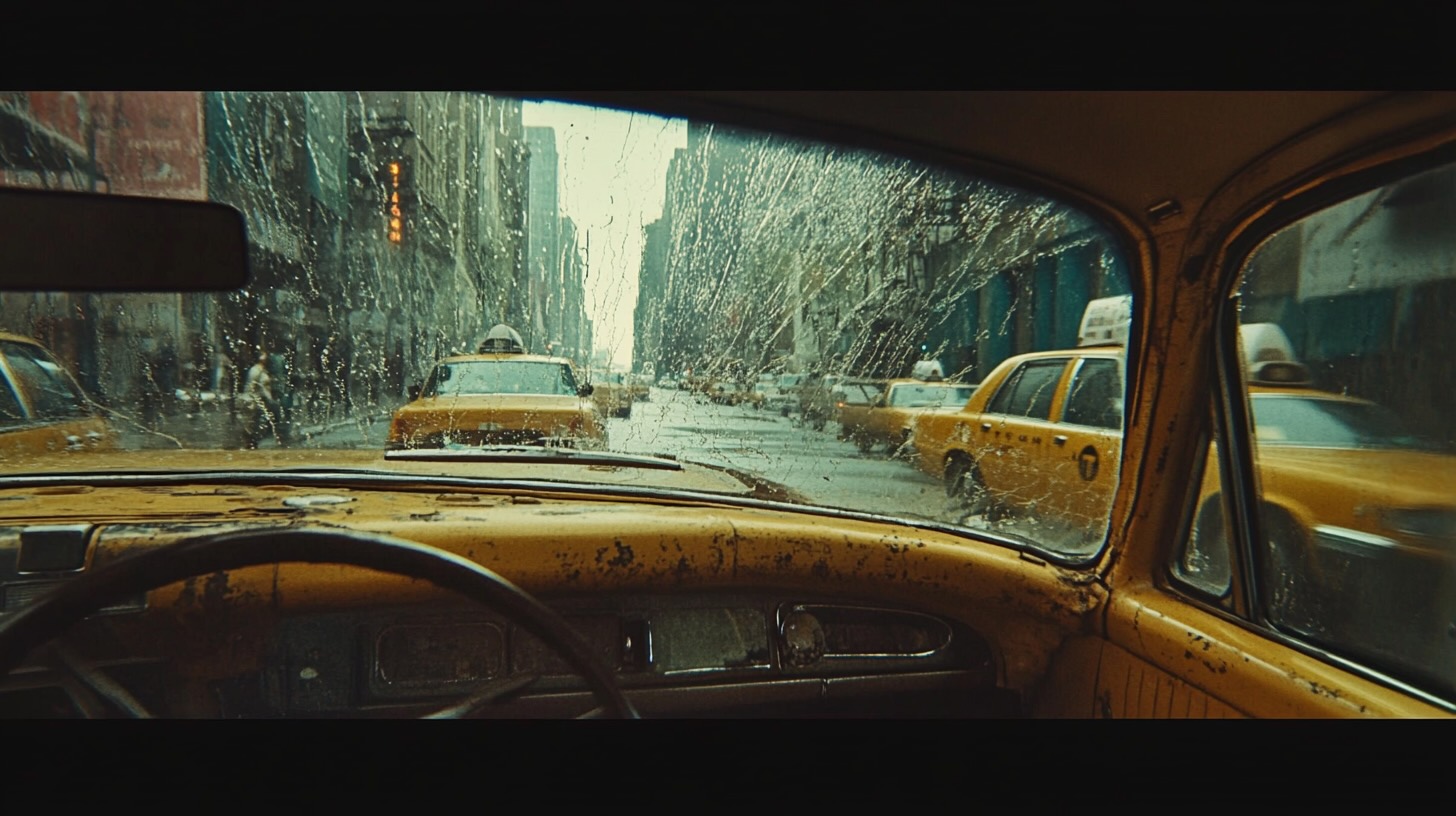
Taxi Driver, directed by Martin Scorsese and written by Paul Schrader, stands as a searing indictment of post-Vietnam urban alienation and moral decay. Through the unravelling psyche of Travis Bickle, the film confronts the viewer with a portrait of loneliness metastasised into violence. Drawing on European art cinema, film noir, and New Hollywood sensibilities, Taxi Driver blurs the line between anti-hero and vigilante, offering no easy moral resolution and making it a deeply discomforting experience then and now.
On release, the film divided audiences and critics alike—its raw portrayal of mental illness and urban squalor was both acclaimed and feared. The Palme d’Or win at Cannes gave it international prestige, but controversy, particularly around the casting of a 12-year-old Jodie Foster as a child sex worker, ensured that it was not quickly assimilated into mainstream cinematic memory. Over time, however, it has become emblematic of 1970s American cinema’s willingness to explore the shadows of the national psyche.
Scorsese’s kinetic style—fused with Bernard Herrmann’s haunting final score (his last)—Robert De Niro’s iconic performance, and Michael Chapman’s expressionist use of colour and light, all contribute to the film’s legendary status. Taxi Driver not only solidified Scorsese’s reputation but also redefined how character study could function in cinema—less as psychological realism and more as existential descent.
-
-
Apocalypse Now (1979)
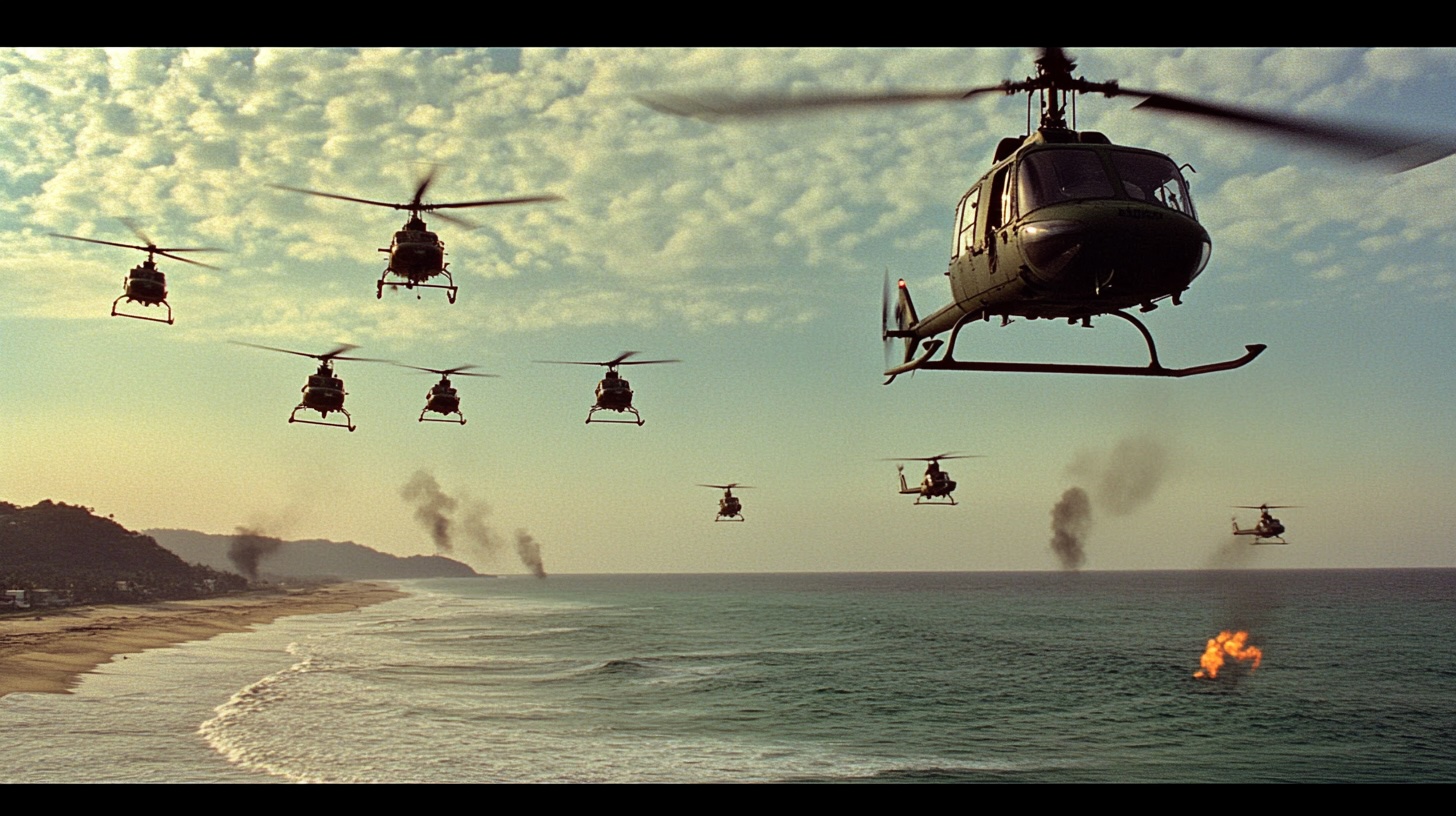
Apocalypse Now, Francis Ford Coppola’s hallucinatory adaptation of Joseph Conrad’s Heart of Darkness, is one of cinema’s most ambitious and tortured productions. Set during the Vietnam War, the film morphs the military journey into an allegorical descent into madness. The chaotic, often improvisational shoot in the Philippines, documented in Hearts of Darkness, has become as legendary as the film itself, embodying the volatility and excess of 1970s auteur cinema.
Initially met with both awe and confusion, the film received the Palme d’Or at Cannes (shared with The Tin Drum) and sparked debate over its political stance and surreal tone. It broke from the conventions of traditional war films, refusing clear moral binaries. Today, it is regarded as a cinematic odyssey that captured the disorientation of war in ways no film before it had. It has grown in stature with the release of the Redux and Final Cut versions, allowing new generations to experience its thematic density.
The film’s production elements are staggering—Vittorio Storaro’s dreamlike cinematography, Walter Murch’s immersive sound design, and a pioneering use of synthesised music by Coppola and The Doors. Marlon Brando’s cryptic Colonel Kurtz and Martin Sheen’s haunted Willard remain etched into film history. Apocalypse Now became a totem of the auteur’s ambition and excess, mirroring the very madness it sought to portray.
-

-
Barry Lyndon (1975)
Stanley Kubrick’s Barry Lyndon is a baroque period piece unlike any other, a meticulously composed film that uses 18th-century aesthetics to interrogate themes of class, ambition, and decline. Adapted from Thackeray’s novel, it follows the rise and fall of an Irish opportunist with a clinical, ironic detachment that initially alienated audiences but has since become the source of its cult reverence. The film’s slow pace and painterly compositions were once misunderstood as cold; today they are seen as radical.
Upon its release, Barry Lyndon was considered beautiful but emotionally distant. Critics praised its technical achievements but were uncertain about its narrative grip. Over the decades, it has been re-evaluated as one of Kubrick’s finest films—an epic that uses distance, silence, and artifice to draw the viewer into a meditation on fate and folly. Its status has only grown in the age of high-definition restoration, where its visual grandeur can be properly appreciated.
Kubrick’s use of natural light and candlelit interiors—made possible by custom lenses developed with NASA—resulted in some of the most stunning cinematography in cinema history, thanks to John Alcott. The film’s symmetrical compositions and classical music score deepen its tragic irony. Barry Lyndon is now frequently cited by filmmakers and scholars alike as a masterclass in formal control and historical pastiche.
-

-
Jaws (1975)
Steven Spielberg’s Jaws is often credited with inventing the modern blockbuster, but its legacy is deeper than box office records. It masterfully fused Hitchcockian suspense with populist thrills, changing the tempo of summer cinema and creating a template for the high-concept genre picture. Based on Peter Benchley’s novel, the film’s simple premise—a killer shark terrorising a seaside town—belied its thematic resonance about fear, bureaucracy, and man’s place in nature.
On release, Jaws became an unprecedented hit, instilling aquatic paranoia across the globe and transforming Spielberg into a household name. Critics initially dismissed it as sensationalist, but its technical brilliance and character-driven storytelling have since garnered critical acclaim. It remains a fixture in film school curricula for its editing, pacing, and economic storytelling. Its impact on distribution and marketing strategies permanently changed how Hollywood operated.
The direction, Verna Fields’ razor-sharp editing, and John Williams’ two-note score—arguably the most famous motif in cinema—converge to heighten suspense and terror. The malfunctioning mechanical shark famously forced Spielberg to imply rather than show, turning production limitations into cinematic strengths. Jaws is both a product of 1970s ingenuity and a harbinger of cinema’s shift toward spectacle, making it a crucial case study in the balance between artistry and commerce.


