



Auteur Series No. 1: The Complete Works of David Lynch
This inaugural edition of Caméra-Stylo’s Auteur Series section presents a complete view of David Lynch, which is, of course, an impossible perspective to wholly achieve but one that is eminently worthwhile to pursue.

Hamnet : The rest is silence
The opening and closing images of a film are rarely arbitrary. They are among the most concentrated sites of cinematic meaning. The first image establishes a world, a rhythm, a vocabulary. The final image returns us to that vocabulary and tells us how to understand what we have seen. If the opening scene proposes a way of seeing, the closing scene confirms, complicates, or transforms it. In this sense, the beginning and end of a film are not just bookends to the narrative — not just the ‘once upon a time’, and ‘happily ever after’ — but often point to the film’s deepest thematic designs.
Listen to the Network's discussion about the Oscars 2026 at our recent meeting
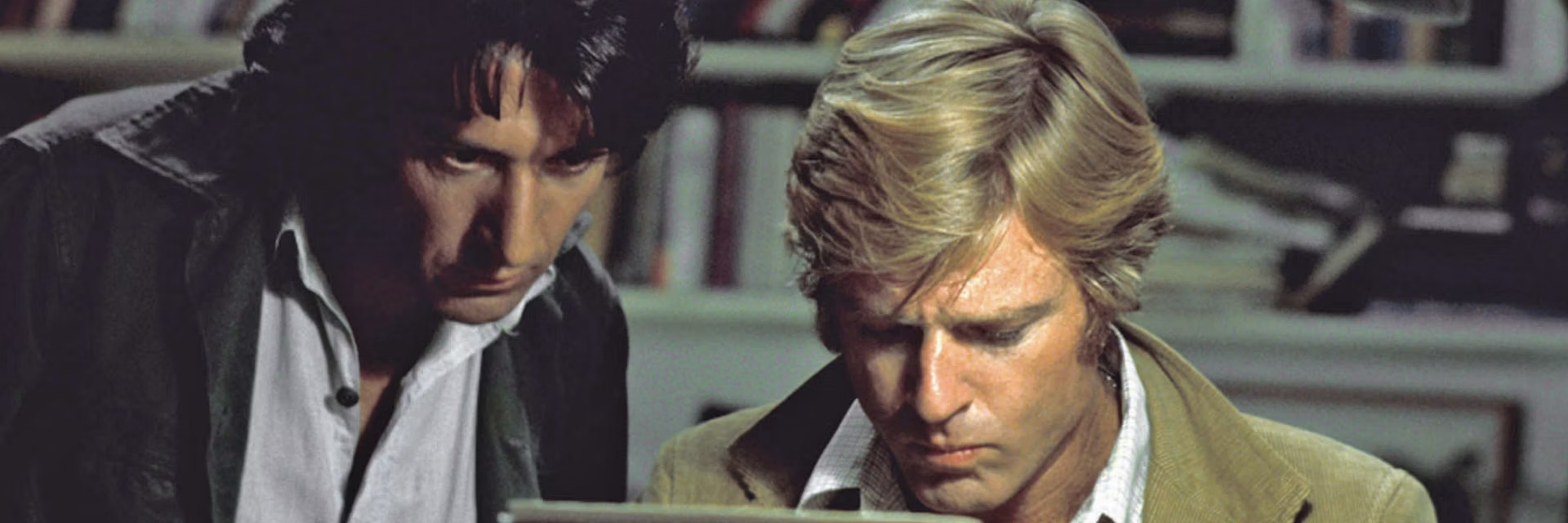
Read : Alexander Howard's article in The conversation on All the President's Men
Published: April 7, 2026
Listen to the Interview with Alexander on Radio New Zealand


Publications, Conversations & Blogs
Latest BLOGs
-
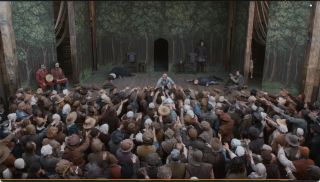 The rest is silence: Grief, Image, and Collective Feeling in Hamnet
 -
 Sydney Film Festival Reviews
 -
 Taxi Driver at 50: Martin Scorsese’s film remains a troubling reflection of our times
 -
 Nightlife History - 100th Anniversary of the Film, Battleship Potemkin
 -
 Battleship Potemkin at 100: how the Soviet film redrew the boundaries of cinema
 -
 The Best Films of 2025
 -
 Cinema’s most notorious film: Pier Paolo Pasolini’s Salò turns 50
 -
 Our Top 5 Films from the 1970s
Network Publications