Top 5 Cultural Representations of the Zombie Apocalypse
5. Betaal, India, 2020
Betaal (‘demon’ in Hindi) certainly leans more into the grindhouse than the sublime, but the Red Chillis Entertainment/Blumhouse co-production offers a very Indian take on the resurrection of the dead. The plot revolves around the Baaz Squad, a paramilitary unit led by Commandant Sirohi who are tasked with clearing a remote tribal village to make way for a highway development. Immediately, issues of class and the abuse of power arise as the military must decide what level of force they are willing to exert to achieve this goal against unarmed and unwilling civilians. Their violence inadvertently awakens a centuries old curse within a British-era tunnel sealed during the Indian Rebellion of 1857; one that had been protected by the villagers. This awakening releases English Lt. Colonel John Lynedoch and a battalion of zombie redcoats who had been entombed alive for committing atrocities against the local population. The undead launch a violent recolonisation attempt that force the Baaz Squad to fight for their lives and rely on the villagers they had so recently harmed. The series blends Indian mythology with colonial history and while the metaphors are unsubtle and the zombie incarnations schlocky, it is still a powerful insight into India’s reckoning with the consequences of repeating a violent and abusive past.

4. Kingdom, South Korea, 2019
South Korea wasn’t the first to put zombies in period. Several films in the early 2000s attempted it, mostly by reanimating WWII soldiers, and the mid 2010s saw such masterpieces as Abraham Lincoln & Zombies and Pride and Prejudice & Zombies (Jane Austen is actually listed as writer on this film), but South Korea’s Kingdom arguably does it the best. Set during the Joseon Dynasty, this series intertwines political intrigue and social unrest with a mysterious plague that reanimates the dead. The story follows Crown Prince Lee Chang as he fights for the throne against political forces that would take it from him, as well as a growing army of the undead. The show is visually stunning, featuring much of South Korea’s Gyeonggi and North Gyeongsang Provinces and the characters are well drawn and compelling, creating an unusually serious critique of social inequality and corruption through the lens of an apocalypse response. It has the tone of Max Brooks’ original zombie tome World War Z whose aim was more of an ethnography of cultural responses to human catastrophe than mindless horror. The show’s narrative is steeped in the hierarchical structure of Confucian society, highlighting themes of loyalty, class division and the rigid dynamics of royalty. The storyline also incorporates elements of Korean folklore, such as the Resurrection Plant’s ties to traditional beliefs about life and death, creating a believable and engaging version of zombiehood.

3. Les Affames, Canadian, 2017
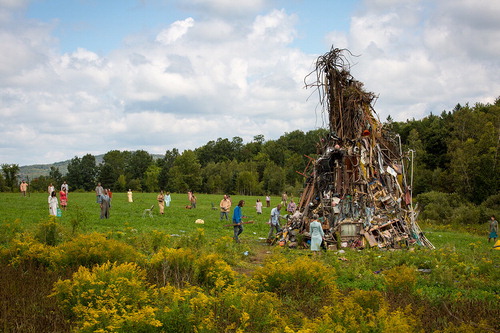
Les Affames (Ravenous) is part of a newer wave of zombie films that reacted to the brutality and one-dimensional nature of The Walking Dead zombies. This rural Québécois story follows a group of survivors in a post-viral world. These zombies, eerie and unsettling, retain human-like tendencies, such as piling personal belongings into strange structures, adding an unnerving psychological layer to the horror. The film focuses on the humanity and desperation of its characters emphasising their bonds as they attempt to escape, but also to understand the nature of their enemy. The zombies in this world exist in a liminal space between humanity and monstrosity, blurring the lines in ways that make them a complicated enemy. The dialogue is spartan and the narrative slow, giving the film a haunting stillness that makes it an almost poetic meditation on survival. Deeply rooted in the rural Canadian identity, the film is about outsiderhood (Québécois cinema often explores themes of isolation and alienation, reflecting the province's historical and cultural struggle for identity within Canada). Canada’s misty, dense and treacherous landscapes are another main character (at the very least as dangerous as any zombie), one the humans must both contend with and connect with. It is a stark and unsettling exploration of the human will to endure.
2. The Walking Dead, United States, 2010
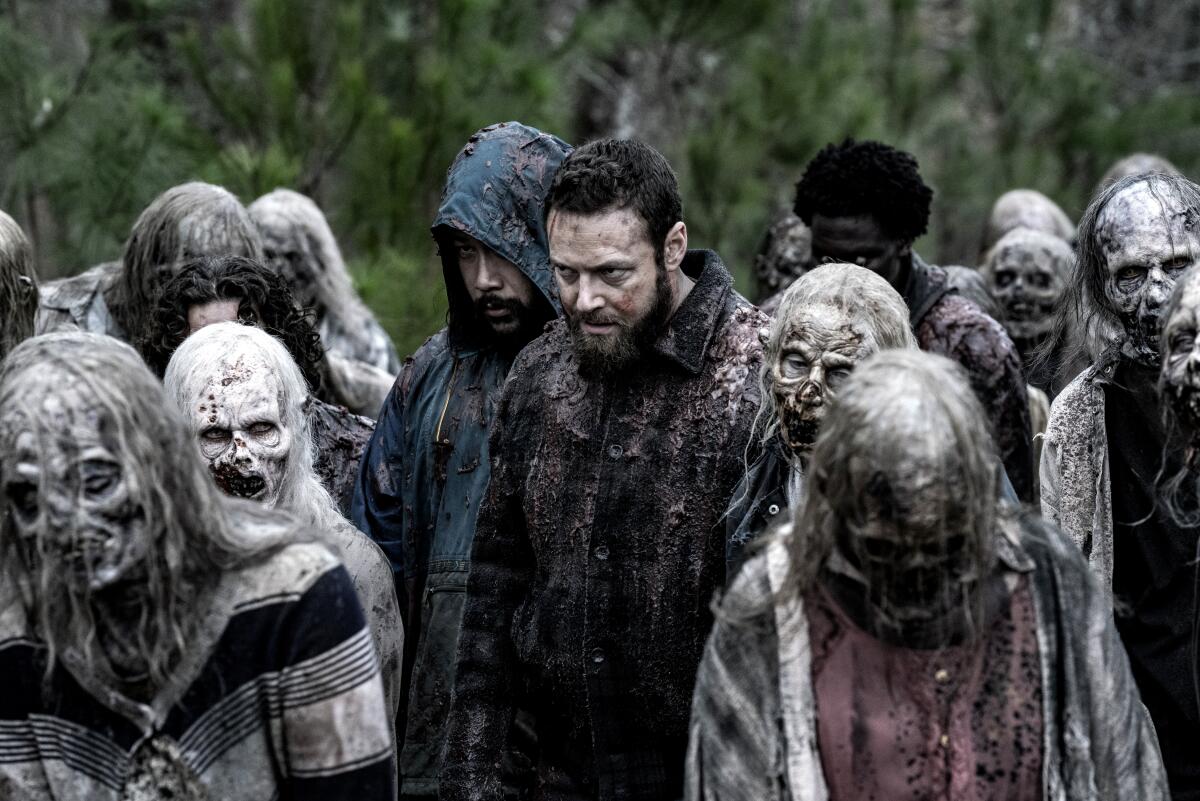
The genre defining epic The Walking Dead and its spinoffs spanned twelve years and 298 episodes of television. Taking inspiration from 28 Days Later it utilises an identical inciting incident but examines the response of a very different culture – the United States. The story begins with Rick Grimes, a small-town sheriff who wakes up from a coma to find himself in the midst of a zombie apocalypse. As Rick reunites with his family and other survivors, the group faces constant threats from “walkers” and other human factions vying for power in extant America. The series explores the physical, emotional, and moral toll of survival in the face of crumbling social systems and the uniquely American issues that arise when gun culture, vigilantism and individualism clash with the need to create strong communities and allegiances. While it shows the value of personal resourcefulness and survivalism (characters like Daryl Dixon and Michonne exemplify the cultural mythos of the American hero and the pioneer spirit), it also examines the way this sets Americans up for failure when it comes to embodying the American Dream of stability and prosperity through community. The rise and fall of colonies like Alexandria, The Hilltop and the Sanctuary all highlight the tension between cooperation, democracy and hyper-individualism.
1. 28 Days Later, United Kingdom, 2002
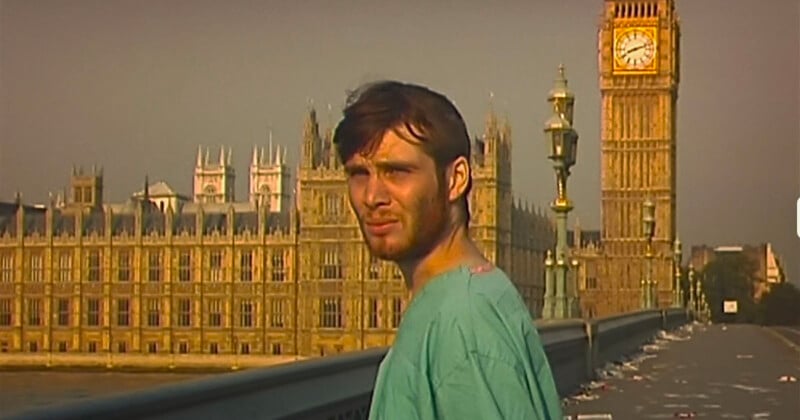
28 Days Later (United Kingdom, 2002) ushered in a new era of gritty, hyper-realistic zombie films, blending pulse-pounding jump scares with pointed cultural and social critiques. The story follows Jim, a coma patient who wakes up in a deserted London to discover that a rage-inducing virus has turned much of Britain into violent zombies. Alongside other survivors, Jim battles both the infected and human threats, navigating what is an increasingly bleak and chaotic future. Britishness is infused in every frame, from the iconic emptiness of Westminster Bridge and Piccadilly Circus to its exploration of the nation’s signature stiff-upper-lip stoicism in the face of a dystopian nightmare. It also wades into distinctly British waters by dissecting class tensions and leveling sharp critique at the government’s apparent tradition for bungling crises. Even the filmmaking was a lesson in British politeness – when the crew wanted a shot of an empty Piccadilly Circus, they simply asked the people in the area to stop walking for a few minutes and then captured the shot.